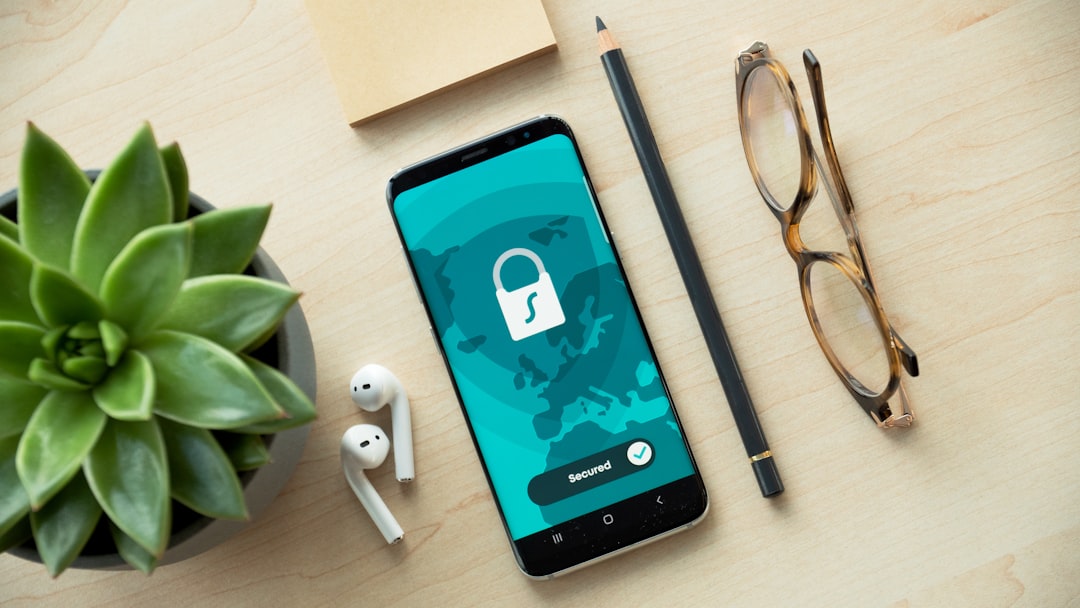

Travel scams can ruin a trip fast, but spotting common tricks early keeps your money and mood intact. This quick list gives clear, actionable steps to avoid the ten scams most travelers run into.
1. Avoid Fake Taxis and Overcharged Rides
Fake taxi drivers and aggressive private drivers target tourists at airports and train stations, offering “fixed” fares that balloon once you are in the car. They often use unmarked vehicles or pretend meters are broken, leaving you paying three or four times the normal rate.
Always choose licensed taxis, call a reputable ride app, or use the official airport taxi queue, where available, to lock in a fair fare. If a driver refuses to use the meter, get out and find another option, even if it feels inconvenient right then.
Pro Tip: Photograph the license plate and company ID before you get in, and share it with someone you trust if you feel uneasy.
2. Spot Fake ATMs and Card Skimmers
Criminals place skimming devices over card slots, or use fake ATM machines to copy card info and steal PINs. These skimmers can be subtle, so always inspect the machine for loose parts and unusual overlays before inserting your card.
Use ATMs inside banks or busy, well-lit locations when possible, and cover the keypad when typing your PIN. Consider using contactless payments or withdrawing enough cash before arriving in high-risk areas to minimize ATM use abroad.
Quick Tip: Use your bank’s mobile alerts to monitor transactions in real time, so you can spot and report fraud immediately.
3. Beware of Distraction Pickpocketing Tricks
Pickpockets work in teams, using a distraction like spilled coffee, a sudden argument, or a friendly stranger to divert your attention while a partner takes your wallet. Crowded tourist spots, public transport, and busy markets are prime hunting grounds.
Keep valuables in front pockets, use money belts, and avoid keeping everything in one place. When a commotion happens, step back and assess rather than helping right away, because many scams rely on your immediate reaction.
Expert Insight: Wear a small crossbody bag with a slashproof strap and keep zippers toward your body to make theft much harder.
4. Polite Strangers Who Lead You to Expensive Bars
A friendly local might offer to show you a hidden bar or give a “local price,” only to take you somewhere with huge, inflated bills and pressure to tip. These setups may feature accomplices who make you feel obligated to pay for overpriced drinks or entertainment.
Politely decline unsolicited offers from strangers, and research recommended bars and eateries ahead of time. If you do follow someone, agree on the type of venue and expected price range first, and be ready to leave if the vibe changes.
Insider Tip: Ask hotel staff for trusted nightlife recommendations, and verify prices on a menu before ordering anything.
5. Fake Police or Immigration Officials
Scammers posing as police or officials will ask to inspect your passport and wallet, then “discover” counterfeit bills or missing permits to extort cash. They often use fake badges and staged paperwork to look convincing, especially in tourist-heavy locations.
Always ask to see official identification and, if unsure, request to accompany the officer to the nearest police station. If pressured for cash, refuse politely and seek help from your embassy or consulate instead of handing over money on the street.
Heads Up: Legitimate officers will typically process issues at a station and not demand on-the-spot fines in cash, so insist on formal procedures.
6. Fake or Double-Booked Accommodation Listings
Scammers copy photos and details from genuine property listings, then offer a deal that seems too good to pass up, only to vanish after you pay a deposit. Other hosts take multiple bookings for the same dates and cancel at the last minute, leaving you scrambling.
Book through reputable platforms with strong review systems and secure payment processing, and check host profiles carefully for real, recent reviews. If you contact the host directly, run a reverse image search on the photos and request a live video walkthrough before paying.
Worth Knowing: Use a credit card for bookings because card companies often provide better fraud protection than wire transfers or cash.
7. Bogus Tour Guides and Shop Ploys
Some tour guides work with local shops and restaurants to get commissions, steering you toward expensive purchases or staged demonstrations that pressure you to buy. These guides can seem knowledgeable, but their main goal might be kickbacks rather than your experience.
Research licensed guides, read independent reviews, and ask questions about whether any stops are commission-based before booking. If a guide keeps steering you to the same store, politely decline and look for alternatives that prioritize sightseeing over shopping.
Pro Tip: Ask for the official license number of a guide and check it with local tourism offices when you can, especially for paid tours.
8. Ticket Scams for Events and Transportation
Counterfeit tickets and scalpers are common near stadiums, concert venues, and transport hubs, and scammers will push fake or duplicated tickets on the street. You can also get sold non-refundable “deposits” for reservations that never existed.
Always buy tickets directly from official box offices or trusted resellers, and use mobile tickets that can be verified electronically. If a price seems unusually low, assume it is a red flag and walk away to avoid wasting time and money.
Quick Tip: Screenshot or save confirmation emails and payment receipts, and check seating details with the venue ahead of the event.
9. Fake Wi-Fi Hotspots and Phishing Networks
Hackers set up free Wi-Fi hotspots with names similar to legitimate networks to intercept logins, banking details, and private data. Logging into a fake network makes it easy for scammers to harvest credentials and perform identity theft.
Use a VPN whenever you connect to public Wi-Fi, verify network names with staff, and avoid accessing sensitive accounts on public connections. When in doubt, use your phone’s mobile data or a portable hotspot for secure browsing and transactions.
Expert Insight: Turn off automatic Wi-Fi connections on your devices so they do not join rogue networks without your knowledge.
10. Currency Exchange and Short-Change Scams
Unscrupulous currency exchangers and street-level money changers may give you worse rates, slip extra bills into the pile, or use sleight of hand to short-change. ATMs and exchange kiosks in tourist zones sometimes offer “convenience” rates that are dramatically unfavorable.
Count money carefully in front of the cashier and use official exchange services at banks or reputable bureaux with clear posted rates. If a rate changes during a transaction, walk away and find another exchange, and carry small denominations for common purchases.
Insider Tip: Memorize a rough local conversion rate before you exchange, so you can quickly spot dramatically bad deals.
Stay Smart and Share Your Experience
Scams often rely on routine behavior and convenience, so slowing down and checking details protects you and your travel companions. What scam have you encountered, and what trick helped you avoid it? Share a short story below to help other travelers stay safe.